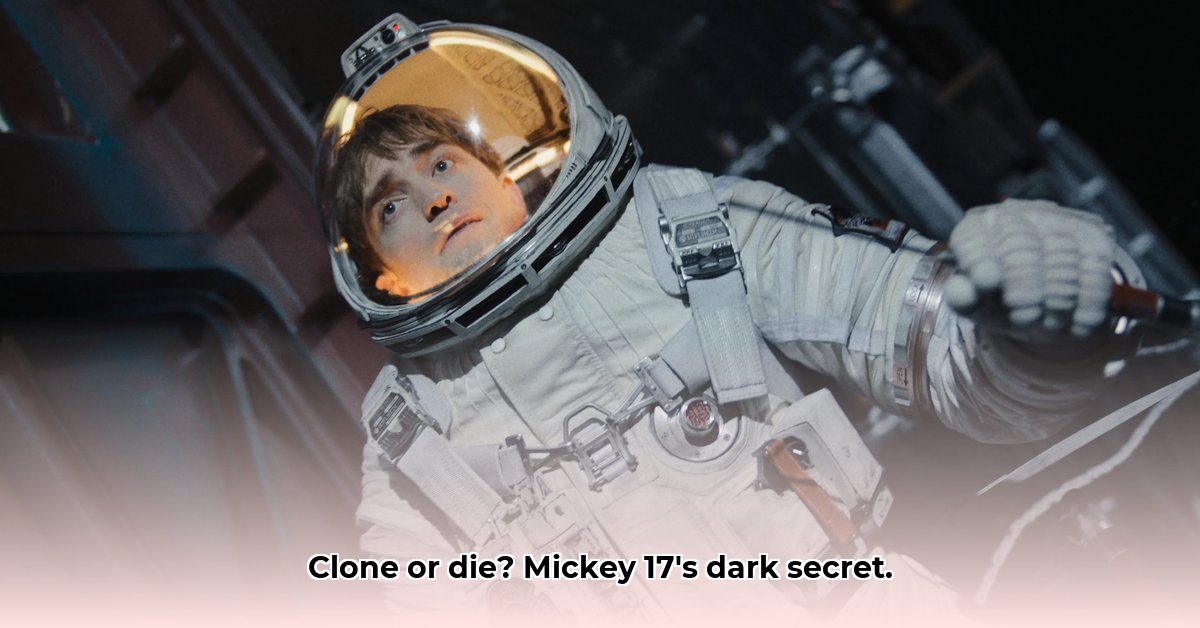
Blake Crouch's Mickey 17 isn't your average space opera; it's a gripping, thought-provoking exploration of cloning, colonialism, and the murky ethics of unchecked technological advancement. Set on the icy, hostile planet Niflheim, the story throws us headfirst into a brutal reality where human life is cheap, easily replaced, and reduced to a number in a corporate system driven by profit. The core narrative follows Mickey 17, not one man, but a series of clones, each iteration sent on increasingly dangerous mining missions with the full knowledge that failure equates to replacement. This core concept immediately raises profound questions about identity, the value of life, and the potential for catastrophic abuse of powerful technology. The book isn't just a sci-fi thriller; it's a sharp and chilling commentary on our societal values and the potential pitfalls that lie ahead.
The chilling reality of Niflheim’s operations highlights the dehumanizing aspects of unchecked resource extraction and corporate greed. Resources are ruthlessly mined, and the indigenous "Creepers" – initially portrayed as merely dangerous alien creatures – are gradually presented as victims of a relentless colonial expansion mirroring our own messy history. Crouch masterfully parallels the treatment of these beings with past and present instances of human encroachment and exploitation of indigenous populations. This isn’t mere allegory; it's a stark warning, a direct confrontation with the ethical ambiguities of our own actions, showing how easily the pursuit of profit can overshadow fundamental moral considerations. Do the ends justify the means, even when those means involve potentially extinguishing other sentient life – or even destroying the very fabric of a unique culture? The book doesn't provide simple answers, instead forcing the reader into a difficult ethical space where no easy answers exist.
The central figure of Mickey 17 is not only a victim of this system, but also a vehicle through which to explore the nature of identity itself. Is identity solely tied to physical form, or does it reside in memories, experiences, and the enduring sense of self? If a perfect copy of Mickey, with all his memories and experiences, is created, is it still Mickey? Or is it a different person entirely, merely inhabiting a familiar shell? These are not just sci-fi musings, but crucial philosophical questions that the narrative skillfully employs to illustrate the devastating consequences of devaluing human life. Each death, and consequent cloning, isn't just a plot point, it's a profound exploration of how easily our humanity can be lost - not just on a distant planet, but also perhaps in our own time.
The narrative weaves numerous layers of plot, each adding to the complex exploration of human nature under pressure. The unsettling "romance" between clones, the gradual unveiling of the Creepers' true nature, and the ultimate confrontation with the implications of advanced technology all contribute to a narrative that is both thrilling and deeply disturbing. Indeed, the reveal of the Creepers' true nature and the reason behind their seemingly aggressive behavior is a masterstroke of narrative construction, adding another dimension to the already nuanced exploration of colonialism and the exploitation of other beings. The book compels us to question our assumptions, to look beyond simple narratives of good versus evil, and to confront the hard truths about human nature and our relationship with the wider universe.
Actionable Intelligence for Various Stakeholders:
For Authors: Mickey 17 provides a blueprint for crafting compelling science fiction that tackles significant ethical and philosophical questions. The novel demonstrates the power of combining a thrilling plot with a nuanced exploration of complex themes. This approach allows for engaging narratives that resonate with readers long after they've turned the final page, highlighting the importance of tackling complex themes without shying away from the uncomfortable realities they evoke.
For Producers: The novel’s rich world, compelling characters, and thought-provoking themes are ripe for adaptation into a film or television series. The visual potential is enormous, with opportunities for stunning visuals set against the backdrop of Niflheim’s unforgiving landscape, and the exploration of the core themes would translate incredibly well to the screen.
For Readers: Mickey 17 is a must-read for anyone interested in intelligent science fiction. It's not just a thrilling adventure, but an invitation to contemplate the ethical implications of our choices, pushing us toward more considerate actions, and encouraging more critical examinations of our own societal structures. The book acts as a valuable lens through which to analyze the trajectory of humanity and its place in the universe.
In conclusion, Mickey 17 is far more than just a good story; it’s a significant contribution to contemporary science fiction and a potent reminder of the potential darkness lurking within even the most brilliant scientific advancements. It’s a compelling narrative that challenges us to question deeply ingrained societal norms and the potential consequences of our relentless pursuit of progress, leaving a lasting impression long after the final page is turned. The book lingers in the reader's mind, prompting reflection and discussion on the complex ethical dilemmas faced by humanity in this, and future eras.